Home > Plants > Pecan tree Pecan tree / Carya illinoinensis
Buy: Pecan tree
Pictures of: Pecan tree
-
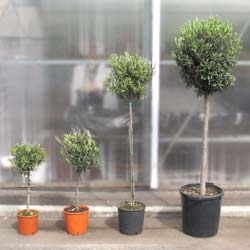
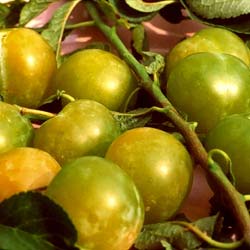
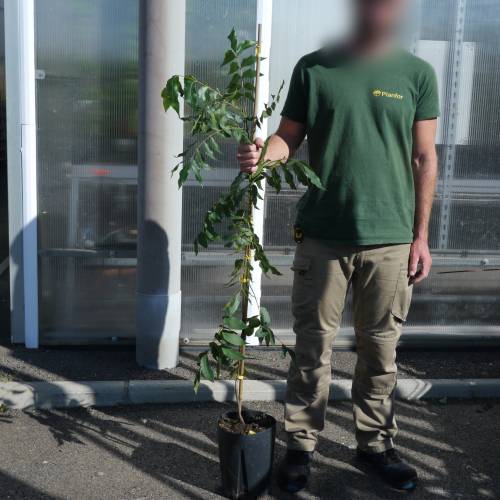
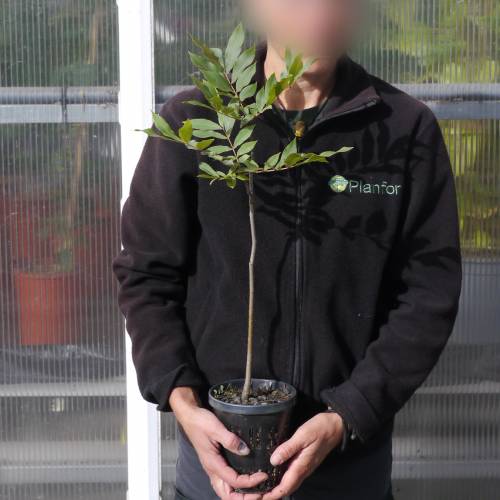
Pecan tree
Plant grown in 15 liters pot
Author: Planfor
© Copyright
-
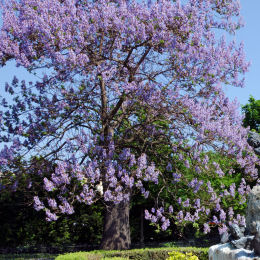
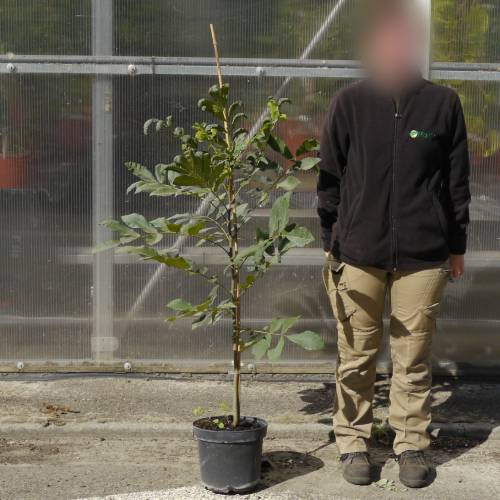
Pecan tree
'Cheyenne' - Plant grown in 5 liters pot - Height of the plant: 80/100 cm.
Author: Planfor
© Copyright
-

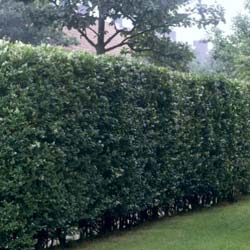
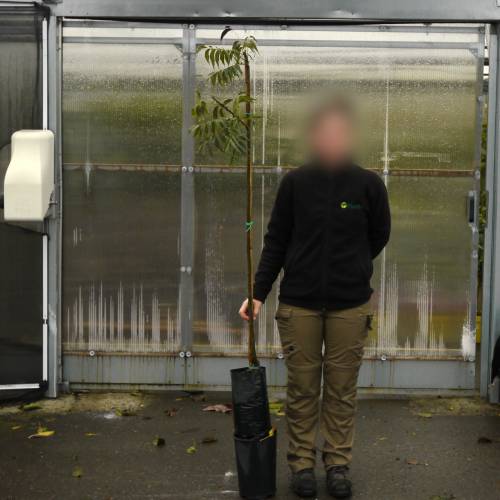
Pecan tree
'Delmas' - Plant grown in 12 liters plastic bag – Height of plant: 125/150 cm.
Author: Planfor
© Copyright
-
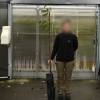
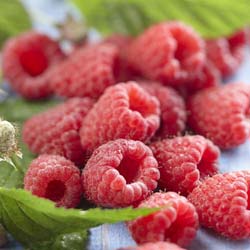
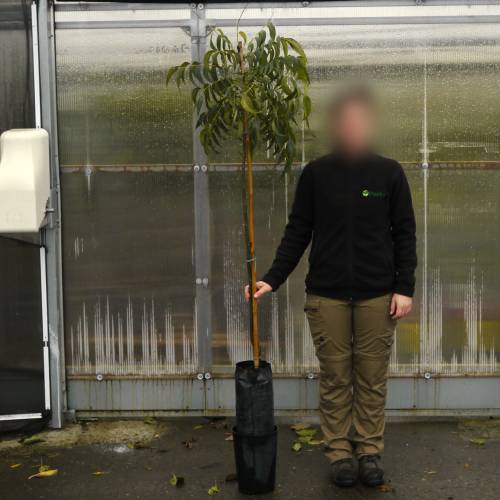
Pecan tree
'Mohawk' - Plant grown in 12 liters plastic bag – Height of plant: 125/150 cm.
Author: Planfor
© Copyright
-
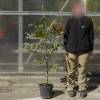
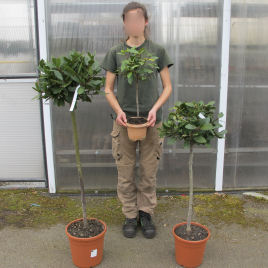
Pecan tree
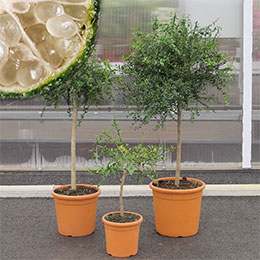
Plant grown in 7 liters pot - Heihgt of the plant: 60/80 cm
Author: Planfor
© Copyright
-
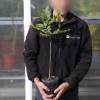
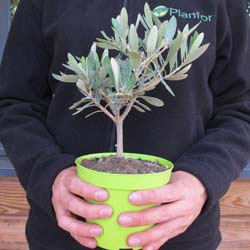
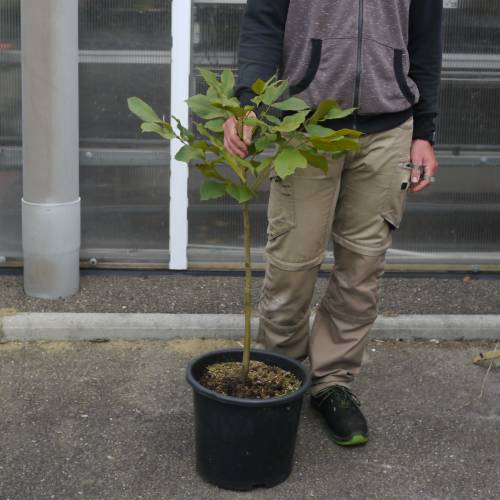
Pecan tree
Plant grown in 1 liter pot - Height of plant: 40/50 cm
Author: Planfor
© Copyright
-
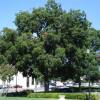
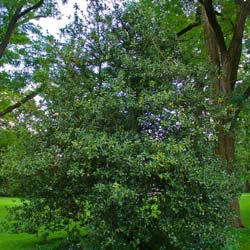
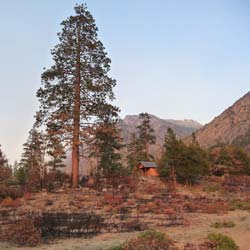
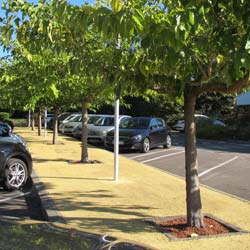
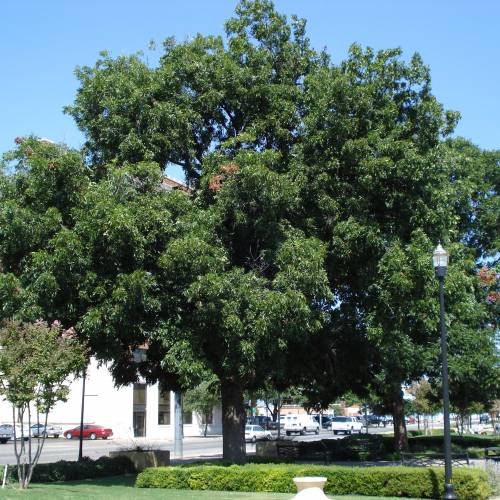
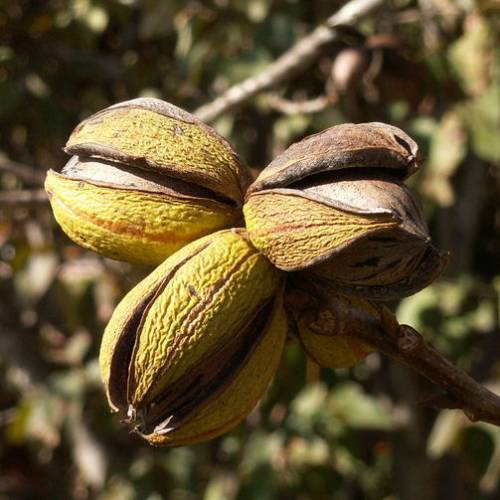
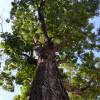
Pecan tree
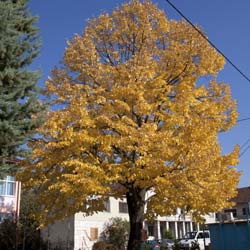
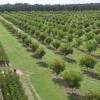
Author: Keithimus Date: 12/03/2008 License Everman Park in Abilene, Texas, United States
-
-
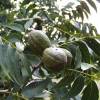
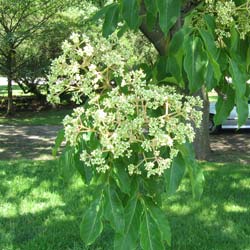
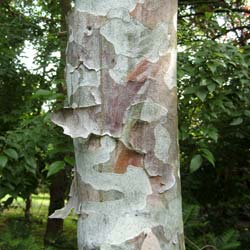
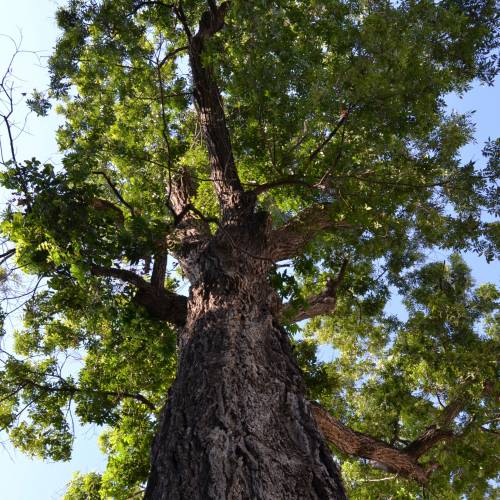
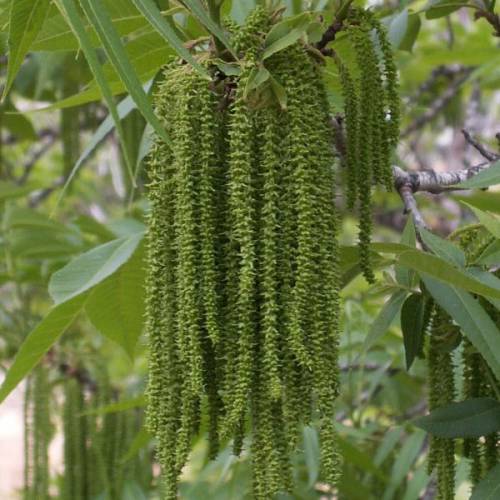
Pecan tree
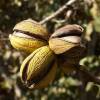
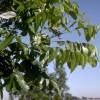
Author: Brad Haire, University of Georgia, USA License
-
-
-
-
-
Description: Pecan tree
Geographic origin: North America
Adult size: Height up to 25 m, width up to 10 m
Foliage: Deciduous.
Type of soil: Light and humus rich, acidic to neutral
Climate: Hardy to -15°C.
Position: partial shade to full sun.
Properties and uses:
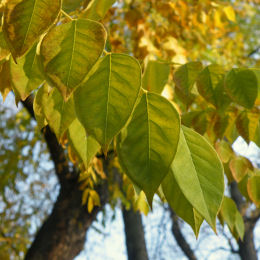
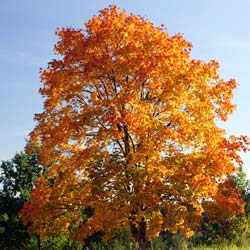
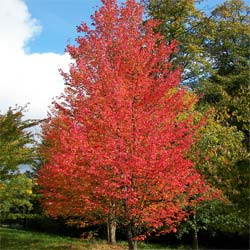
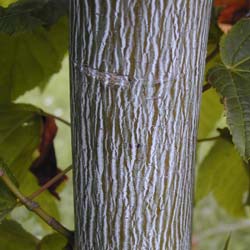
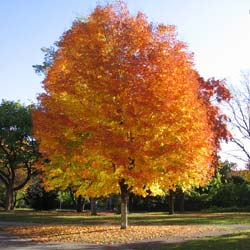
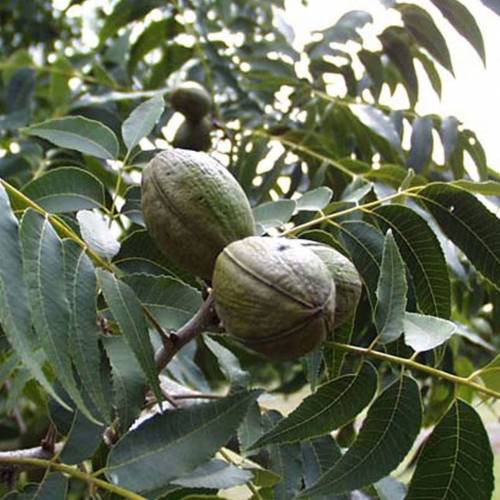
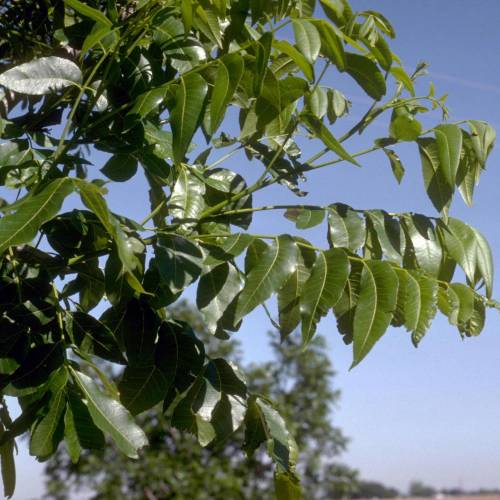
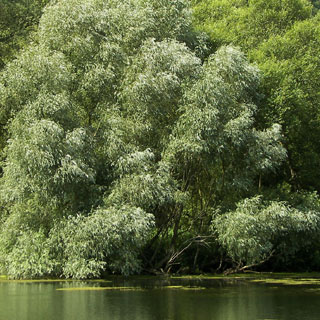
The pecan is a remarkable fruit tree. It can reach 20 to 30 metres in height. Its broad, rounded habit provides deep, welcome shade in summer. Its compound, pinnate leaves (similar to those of ash or walnut tree) add a light texture despite the tree’s size.
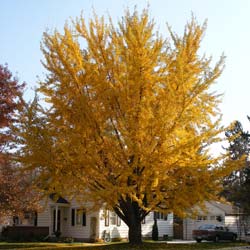
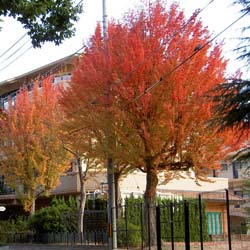
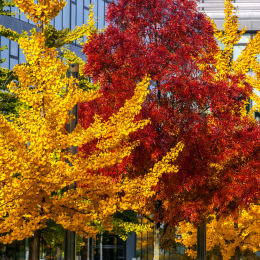
Before falling, the foliage turns yellow, creating a beautiful contrast in a garden at the end of the season.
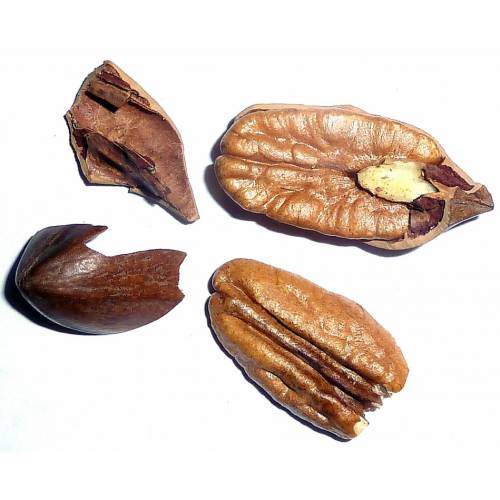
An exceptional fruit: the pecan nut
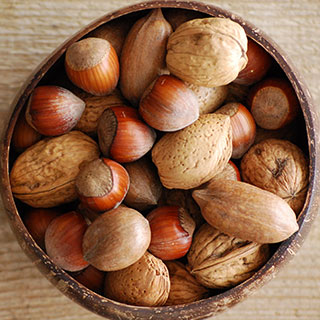
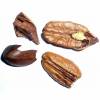
The pecan nut is one of the most highly prized nuts worldwide, for its buttery flavour and nutritional qualities.
- A superfood: Rich in healthy fats (omega 9) and antioxidants.
- Generous harvest in autumn: Once mature, a single tree can produce several dozen kilos of nuts per year.
- Easy to crack: The pecan shell is generally thinner and easier to open than that of common walnut.
Planting practices:
- Climate: Although this tree is hardy and tolerant to cold, it requires long, hot summers for the nuts to fully ripen. In France, it thrives mainly in the southern half of the country or in well-exposed locations.
- Water requirement: It is the pecan tree’s paradox. While it loves heat, it is very demanding in water in order to develop its nuts.
- Patience: It is a long-term investment. A grafted pecan tree starts producing after 6 to 10 years, but full production comes later.
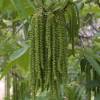
- Pollination: Carya illinoinensis is a monoecious tree, which means that a single tree bears both male flowers (catkins) and female flowers. Technically, it can self-pollinate and produce nuts on its own. However, it is strongly recommended to plant at least two different varieties (one Type A and one Type B) within 30 to 50 metres of each other to ensure a good cross-pollination.
Several cultivars are available:
- 'Cheyenne' pecan tree: Late-ripening, self-fertile variety, very good yields.
- 'Choctaw' pecan tree: Late-ripening variety (Type B), partially self-fertile, pollination is improved when planted with a Type A pecan tree.
- 'Mohawk' pecan tree: Late-ripening variety (Type B), partially self-fertile, pollination is improved when planted with a Type A pecan tree.
- 'Delmas' pecan tree: Early-ripening variety (Type A), partially self-fertile, pollination is improved when planted with a Type B pecan tree.
- 'Pawnee' pecan tree: Early-ripening variety (Type A), partially self-fertile, pollination is improved when planted with a Type B pecan tree.
- 'Wichita' pecan tree: Early-ripening variety (Type B), partially self-fertile, pollination is improved when planted with a Type A pecan tree.
Plant now: the shortest way to your plate is through your garden!
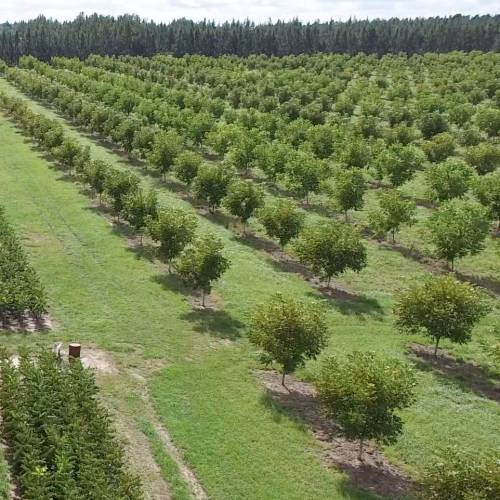
In France and in Europe, the Pecan tree (Carya illinoinensis) is attracting growing interest as a serious alternative in the face of climate change.
1. Ecological role and soil protection
Thanks to its deep root system and its imposing stature, it transforms the parcel’s environment.
- Carbon fixation: The pecan tree is a massive "carbon pump". Its woody biomass stores large amounts of CO2, helping in reducing climate change.
- Water regulation and soil stabilization: In agroforestry, it helps limit soil erosion and improves rainwater infiltration, reducing surface runoff.
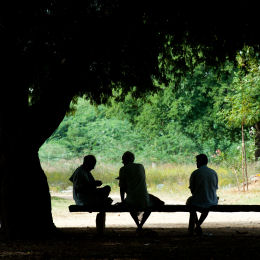
- Provides shade: In agroforestry, it is often used as the upper canopy layer. Its canopy is relatively dense, yet the compound leaves allow filtered, dappled light to pass through, which is beneficial for certain understory crops.
2. Association models (cropping systems)
| Association |
Advantages |
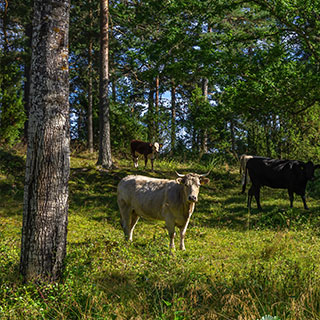
| Pecan tree + Silvopastoralism |
Shade and shelter for livestock. Less heat stress. Soil fertilization and orchard maintenance done by the animals. |
| Pecan tree + Market gardening |
Windbreak. Reduce soil evaporation. Capillary rise brings water and nutrients to the surface. |
| Intercropping |
Physical protection, brings organic matter, weed control. |
3. Economic value: "Green gold" for the agroforestry
The pecan tree is an agricultural investment that can be extremely profitable in the long term, although its cultivation requires patience and precision.
- Longevity: Once mature, a pecan tree produces nuts for decades (and even over a century), providing financial security against the volatility of annual crops.
- Valorisation: Unlike other crops, the pecan nut is considered a premium product.
- Strong demand: The pecan nut is highly sought after for its antioxidant properties and its prized flavour. At present, Europe imports almost all its consumption. Local production therefore benefits from highly value-added short supply chains and attractive selling prices.
To summarize: The pecan tree is an excellent diversification option. It will not replace all crops, but if offers resilience in the face of the increasingly hot summers we have known these past years. It is the typical "transition" tree: it requires water, but it does not succumb to 40°C heat.
Related Categories: Pecan tree
Your reviews about: Pecan tree |

 Help
Help Account
 Basket