Home > View our previous newsletter
|
December 5th, 2025
|
Each week, enjoy exclusives on Plants and our tips for your Plantations |
| Focus of the Month: The adventure of truffle farming starts here! |
|
|
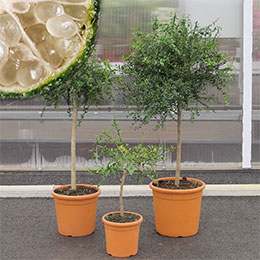
Did you know that you can produce your own truffles? Planfor invites you to discover truffle farming with its selection of high-quality mycorrhizal plants. Whether a passionate gardener or a skilled professional, find out how to plant, take care of and harvest this black or white diamond in your garden or your plot.
|
|
|
Our plants are produced in a controlled environment and benefit from recognized expertise that guarantees mycorrhization with the truffle fungus.
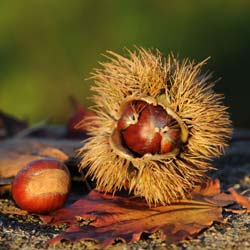
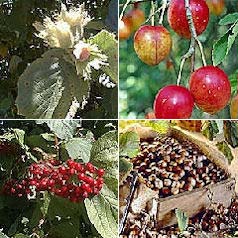
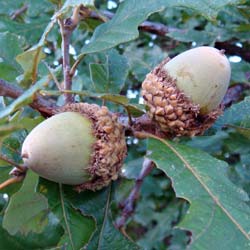
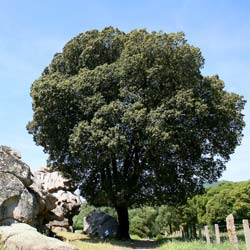
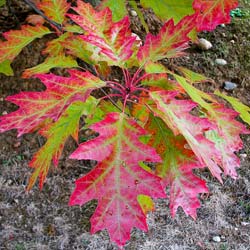
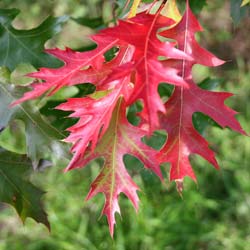
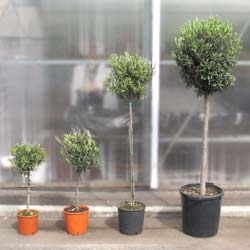
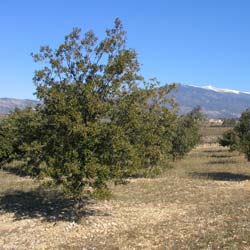
- Rigorous Selection : We select the tree species which are most adapted for truffle farming, such as Holm Oak, Downy Oak, and Chestnut.
- Certified Mycorrhization : Each plant is inoculated with spores of the truffle fungus (like Tuber melanosporum or Tuber uncinatum) and their mycorrhization is controlled in a laboratory. It guarantees a possible production.
|
|
| The different truffles available |
|
| Black Périgord Truffle - Tuber melanosporum |
|
 |
| -25% 1L pot |
|
|
|
 |
| New in shop ! |
|
|
|
|
|
 |
| -20% 1L pot |
|
|
|
|
 |
| New in shop ! |
|
|
|
|
| Bourgogne Truffle - Tuber uncinatum |
|
 |
| -20% 1L pot |
|
|
|
|
|
|
| How to plant your truffle-inoculated tree successfully? |
|
|
The key to success is a good soil preparation. Here are some important steps:
1. Analysing the Soil : The truffle likes limestone soil (pH superior to 7,5), well-drained and light. An analysis is mandatory!
2. Preparing the Plot: A complete weeding and light ploughing.
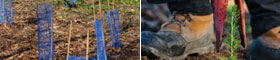
3. Planting: Dig a hole of about 30 cm, plant the young plant without breaking the clod of earth. Leave the collet of the plant at ground level.
4. Protection and Watering : Protect from wild animals with wire netting and water abundantly at the beginning.
Planfor's tip: Do not add chemical fertilizer, definitely not phosphate which is toxic for the truffle mycelium.
|
|
| News of the week: Our selection of plants for the coming Christmas celebrations |
|
|
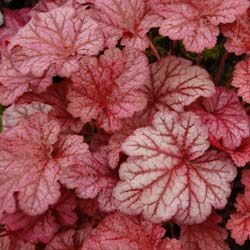
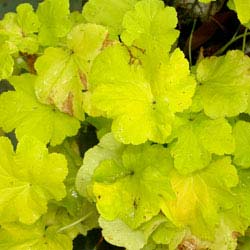
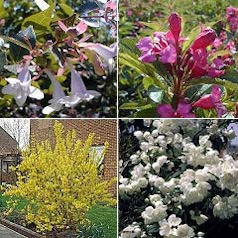
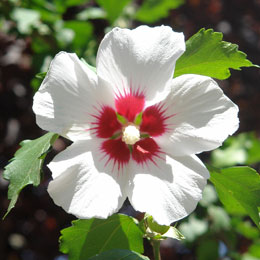
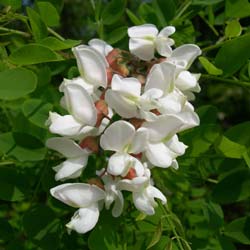
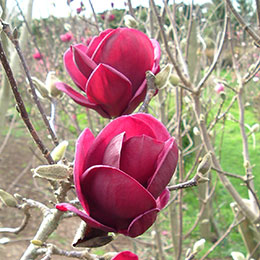
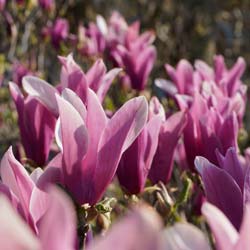
Discover our selection of plants to offer at Christmas, or for your own pleasure and new ideas.
|
|
 |
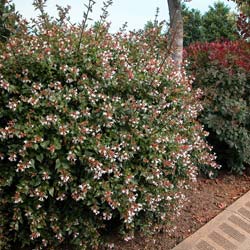
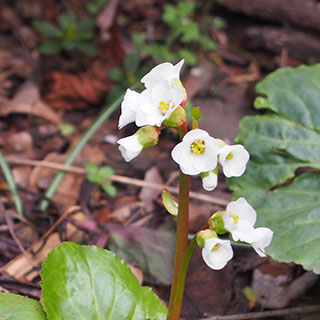
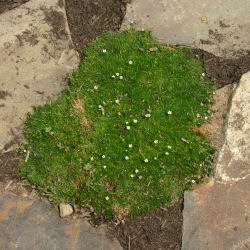
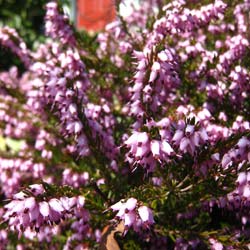
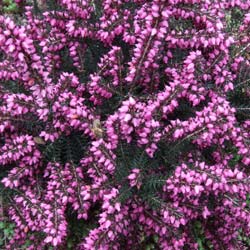
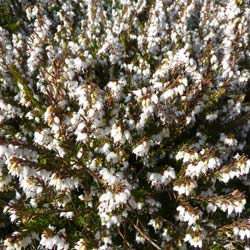
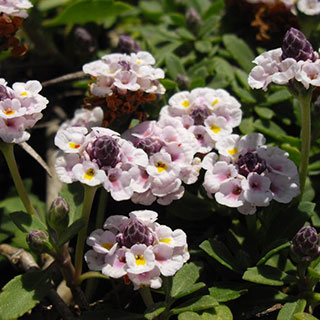
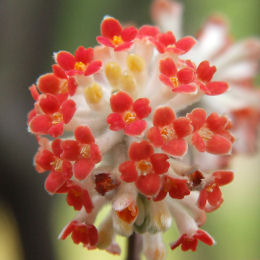
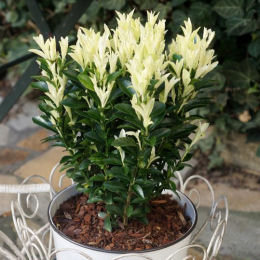
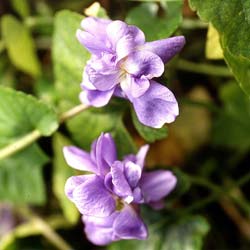
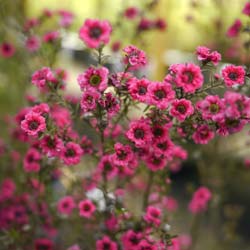
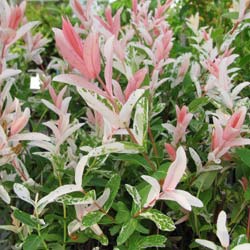
Our favourite in this catalogue : Winter Heath !
Winter Heath will brighten up your flowering borders and pots all winter with its coloured blossom, from November-December to March-April. |
|
|
|
|
| A Reader's Question: I planted my truffle-inoculated oaks five years ago. I have cared for them correctly, but I still haven't seen any 'burnt circle' around the trees. Is it normal ? When can I expect the first harvest? |
|
It is important to remember that patience is needed in truffle farming.
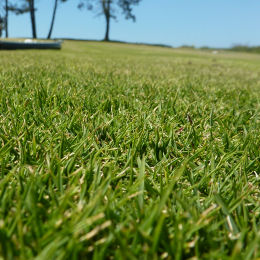
1. The 'burnt circle' phenomenon: The 'burnt circle' is a sterile area that spreads under the tree caused by the action of the truffle mycelium, which prevents any other grass from growing. The absence of a burnt circle after five year is not alarming ! It generally appears between 4 and 7 years after planting, depending on the truffle variety and the weather conditions.
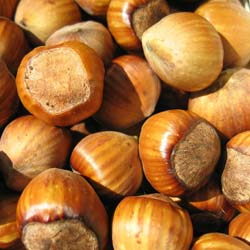
2. The first harvest: For the plants inoculated with the fungus of the famous Black Truffle (Tuber melanosporum), it takes an average of 6 to 10 years before the first significant harvest. The Hazel Trees are sometimes quicker (after 4-5 years), whereas the oaks may take much longer.
|
|
| |
• If you wish to receive the newsletter, click here
|
| |