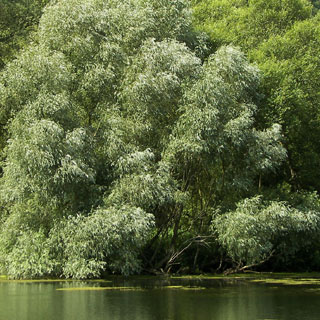
Home > Plants > Alder, black Alder, black / Alnus glutinosa
Buy: Alder, black
Pictures of: Alder, black
-

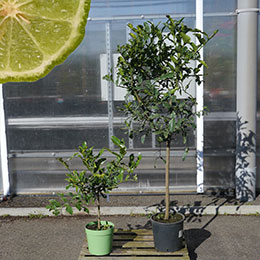
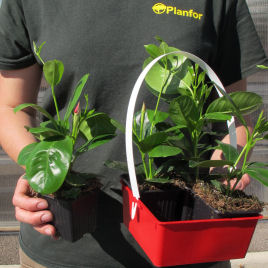
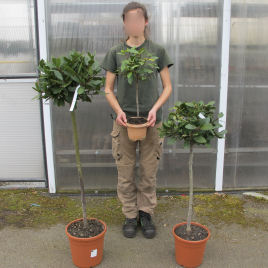
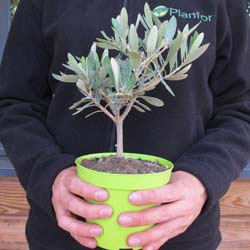
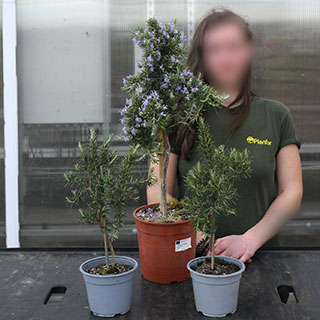
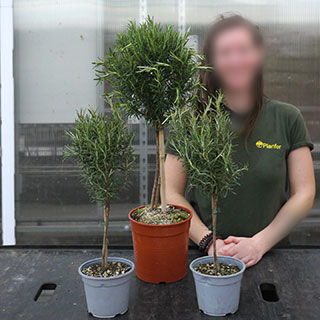
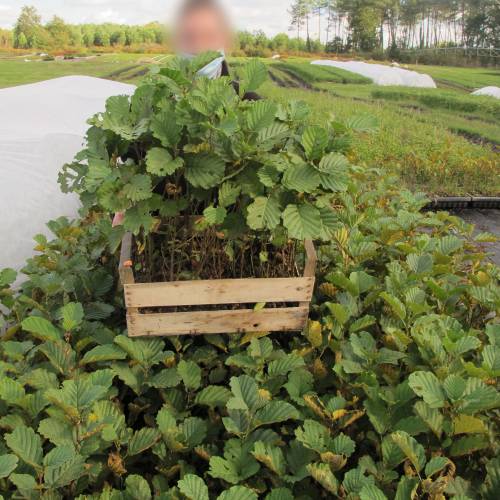
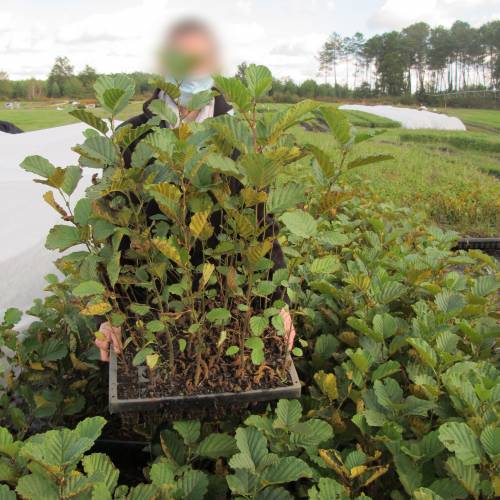
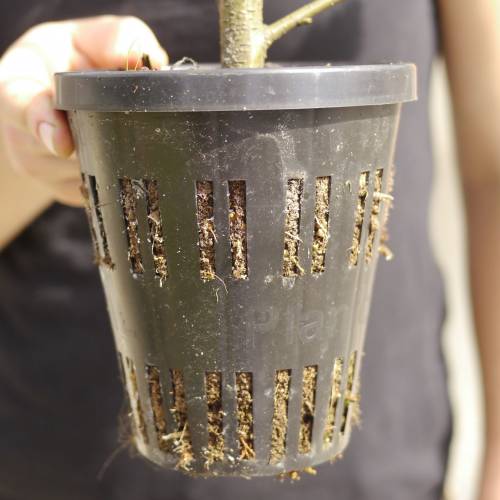
Alder, black
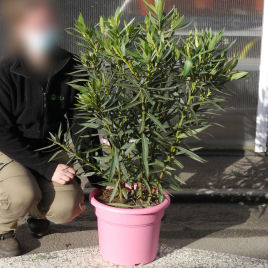
Plant grown in 1 liter pot - Height of the plant: 80/100 cm
Author: Planfor
© Copyright
-

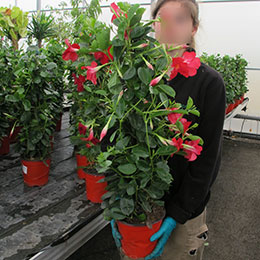
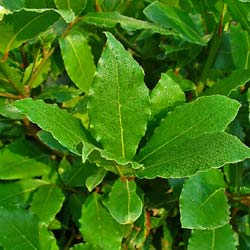
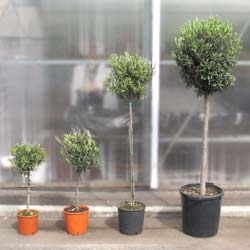
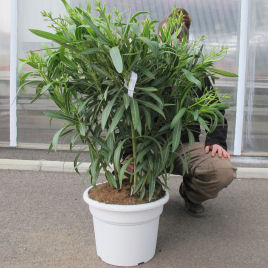
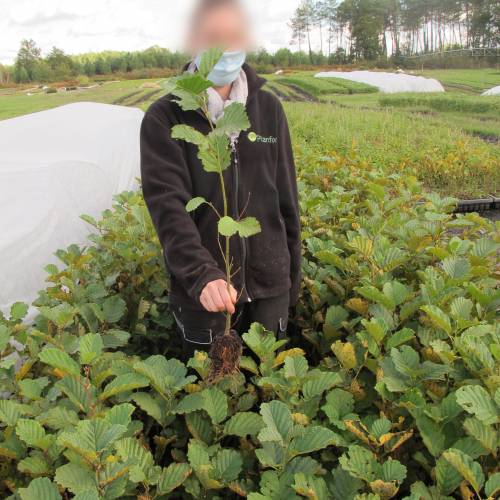
Alder, black
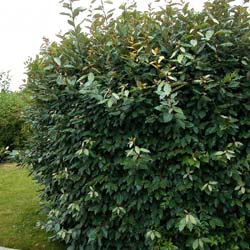
plant grown in 10 liters pot - Height of the plant: 150/175 cm
Author: Planfor
© Copyright
-
Alder, black
Author: Planfor
© Copyright
-
Alder, black
Author: Planfor
© Copyright
-
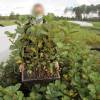
Alder, black
Author: Planfor
© Copyright
-
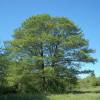
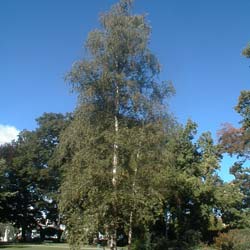
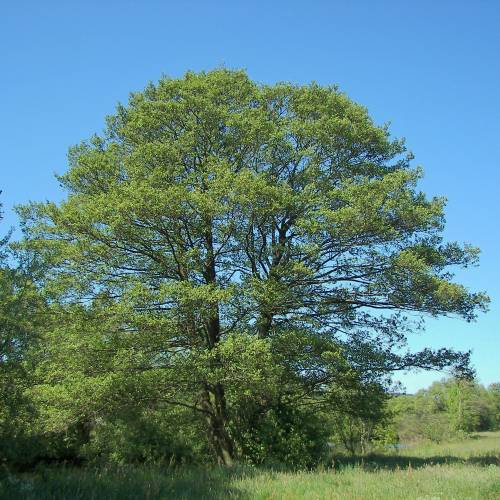
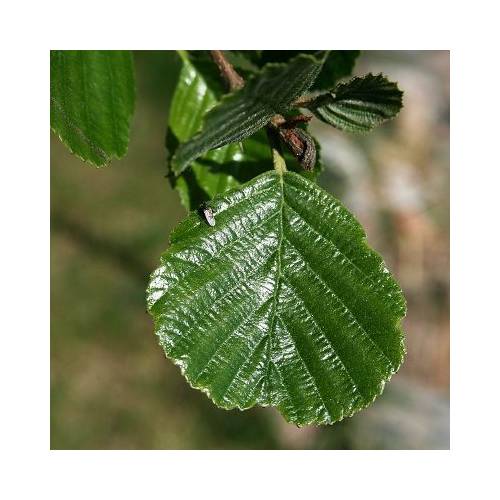
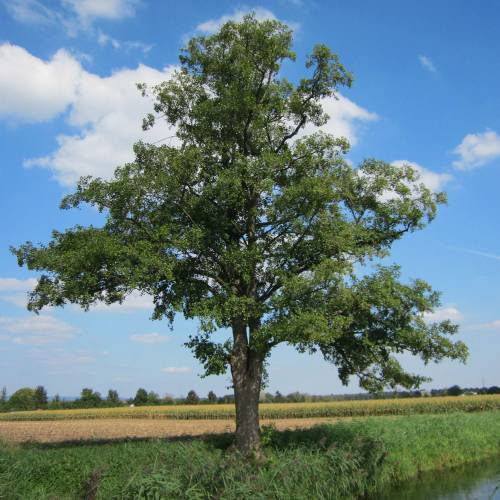
Alder, black
Marburg, Germany
Author: Willow Date: 01/05/2007 License
-
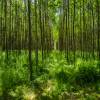
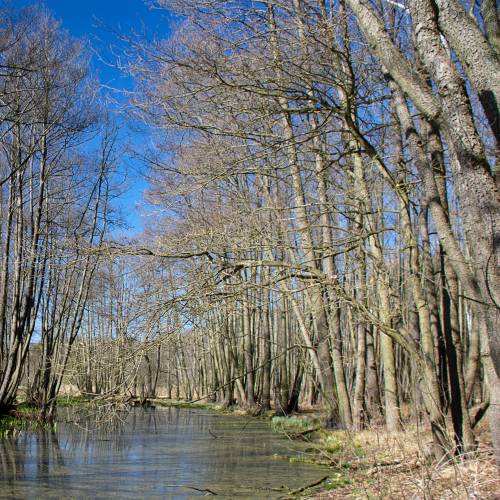
Alder, black
Gemeinde Burg, Brandenburg, Germany
-
-
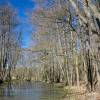
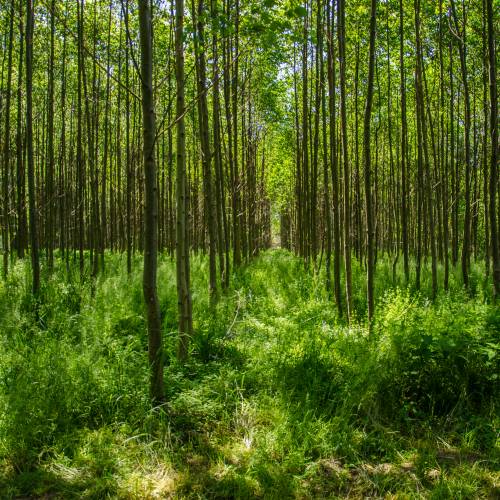
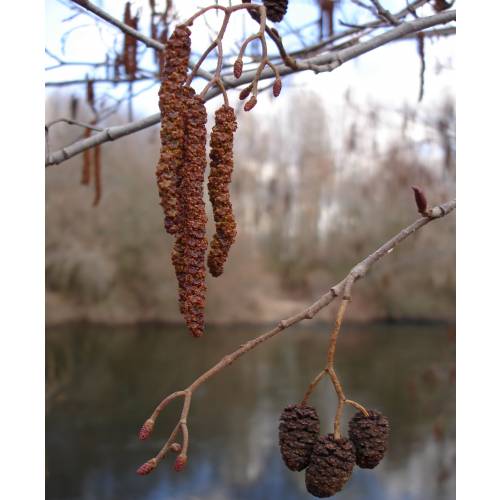
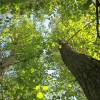
Alder, black
Fürstenwalde West, Brandenburg, Germany
Author: Paul Schulze Date: 26/03/2012 License
-
-
-
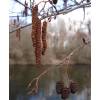
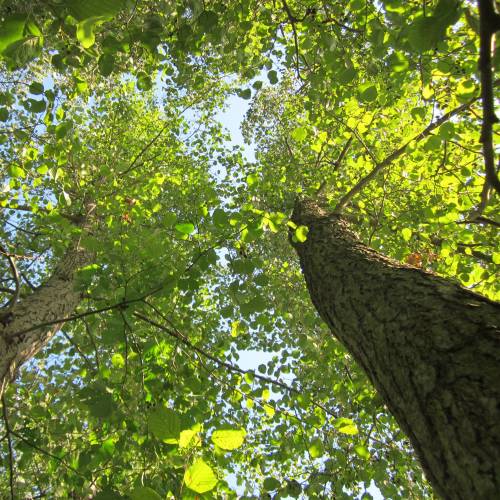
Alder, black
River Porma, León, Spain
-
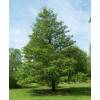
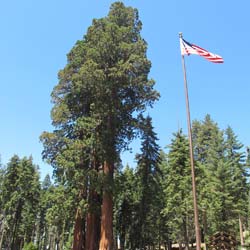
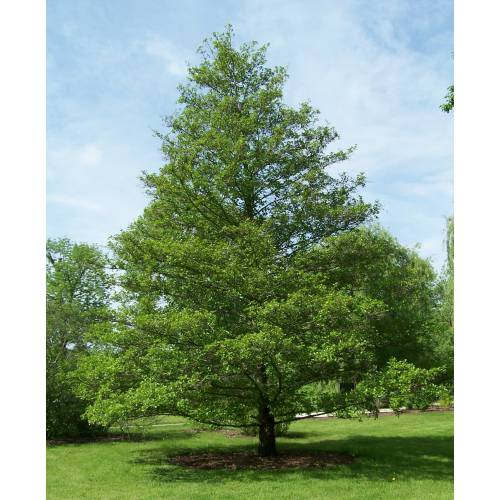
Alder, black
Morton Arboretum - USA
-
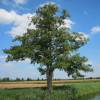
-
Alder, black
Planfor 1 liter pot
Author: Planfor
© Copyright
Description: Alder, black
Areas of origin: Europe from Siberia to the Mediterranean.
Adult Dimensions: Height up to 25 metres (82'), width up to 12 metres (39.4').
Foliage: Deciduous.
Soil type: All.
Hardiness: Hardy to -28°C.
Exposure: Full sun.
Properties and uses:
The Alnus glutinosa is widely used to support river banks. Its root systems creates an underground supportive mesh. One adult tree can stabilize up to 6 metres of river bank. Its roots also have the particularity of retaining the nitrogen contained in the soil. On the edge of agricultural land, as with other ripisylve varieties, the Alnus glutinosa reduces the washing out of nitrogen in to neighbouring rivers. The Alnus glutinosa is best planted next to river banks, when replanting or creating wooded areas, mixed with willow trees and other moisture loving trees. In valleys, it can be used in areas too damp for poplar trees. It needs a great deal of water and can survive flooding. Its tender wood is used for woodturning.
• See the alder trees catalogue
• Forest Tree Seedlings for your plantations
• See the Riparian forest trees and shrubs catalogue
• List of honey producing plants
1) The Black alder (Alnus glutinosa, Alnus communis) is it suitable for my land?
This riparian genus thrives in zones with constant water supply. The variations in the water table are harmful for the Black Alder.
2) Which planting density for my Black alder plot? (Alnus glutinosa, Alnus communis)
The planting density is the number of plants planted in one hectare (acre). Here it means determining the initial number of young plants and to choosing their repartition in the available space.
The planting density is defined by the gaps in between the lines as well as the spacing in between each plant on a same line.
It is the basics of the silvicultural path which must lead to a final trees’ population of quality and to the fulfilment of the land’s owner set goals.
Advice: When choosing the density, think about the width of the tool which will allow the maintenance of the gaps in between the lines. The space in between the lines must allow clear passage for a tractor-drawn, maintenance tool.
For the Black Alder (Alnus Glutinosa):
- It is better to plant with low density: 300 to 600 plants/hectare, or up to 1100 plants/hectare.
3) How to prepare the soil to plant Black alder (Alnus glutinosa, Alnus communis)?
In Silviculture, working the soil is a key element in the success of planting. The root system of the tree must take rapidly where planted. Whether the work is done mechanically or manually, we recommend working the soil in its depth for optimum planting.
4) How to plant the Black alder (Alnus glutinosa, Alnus communis)?
a- Receipt, storage and preparation of the plants before planting
- Upon receipt, place the crates side by side, on a flat surface so as there is no air circulation underneath. Choose a shady spot protected from wind;
- Maintain a good humidity level of the plants on the crates placed on the edges,
- Plan for the possibility of watering if planting is delayed or if the plants require water,
- In case of frost, do not handle the plants and if frost is forecasted for several days, place mulch on the edges.
b- Planting
Our team of professional planters use a planting cane to place the earth-balled plants in situ. This ergonomic, light tool allows quality, quicker planting work. It is also possible to carry out a traditional planting work using a pickaxe or a spade
In all case, you must:
- Dig a hole a little bit larger than the earth-ball ;
- Position it well in the hole;
- Cover it entirely;
Finally, the worker will tamp down the soil carefully with its foot. It is forbidden to press strongly or again to heel-butt the plant to avoid crushing the earth-ball and damage the root system of the plant.
Video on planting using a planting cane
Buy Planting cane
5) How to limit weeds on my Black alder plot (Alnus glutinosa, Alnus communis) ?
During the first years, it is essential to eliminate all self-propagating plants. Not controlled they are going to be in competition with your plants and are going to deprive the young trees of the vital elements they require to grow (water, light and nutritional elements). You must therefore eliminate mechanically this unwanted competition until the trees are big enough to be able to dominate it.
Two types of operations are possible after planting:
Manual clearing around the plants
It is in fact acts often carried out using portable thermic Strimmers or billhooks to clear plants on a line or around the plants themselves.
Mechanical clearing of the space in between the lines
These actions are done using cutters and flail mowers, horizontal or vertical cutters, mounted on mini excavators or tractors. As a result, they cannot be undertaken outside the spaces available between the tree lines (plants or plants).
6) How to protect my young Black alder plants from wildlife (Alnus glutinosa, Alnus communis) ?
There is a necessity to protect the plot as soon as the population’s density of Cervidae (deer and roe deer in particular) risk leading to significant damage such as undergrowth of the plants or friction of the stems. Sometimes, the setting up of plants’ protection is also necessary as soon as the rodents’ population (rabbits, hares, coypu, voles...) are locally important.
3 types of protections are possible:
- Individual, mechanical Protections ( dissuasive netting, photo-degradable tubes,...)
- Protection by total wire-fencing of the plot,
- Protection by applying a repellent on each plant or on the borders of the plot.
Catalogue Protections against Game
Related Categories: Alder, black
Your reviews about: Alder, black |

 Help
Help Account
 Basket